
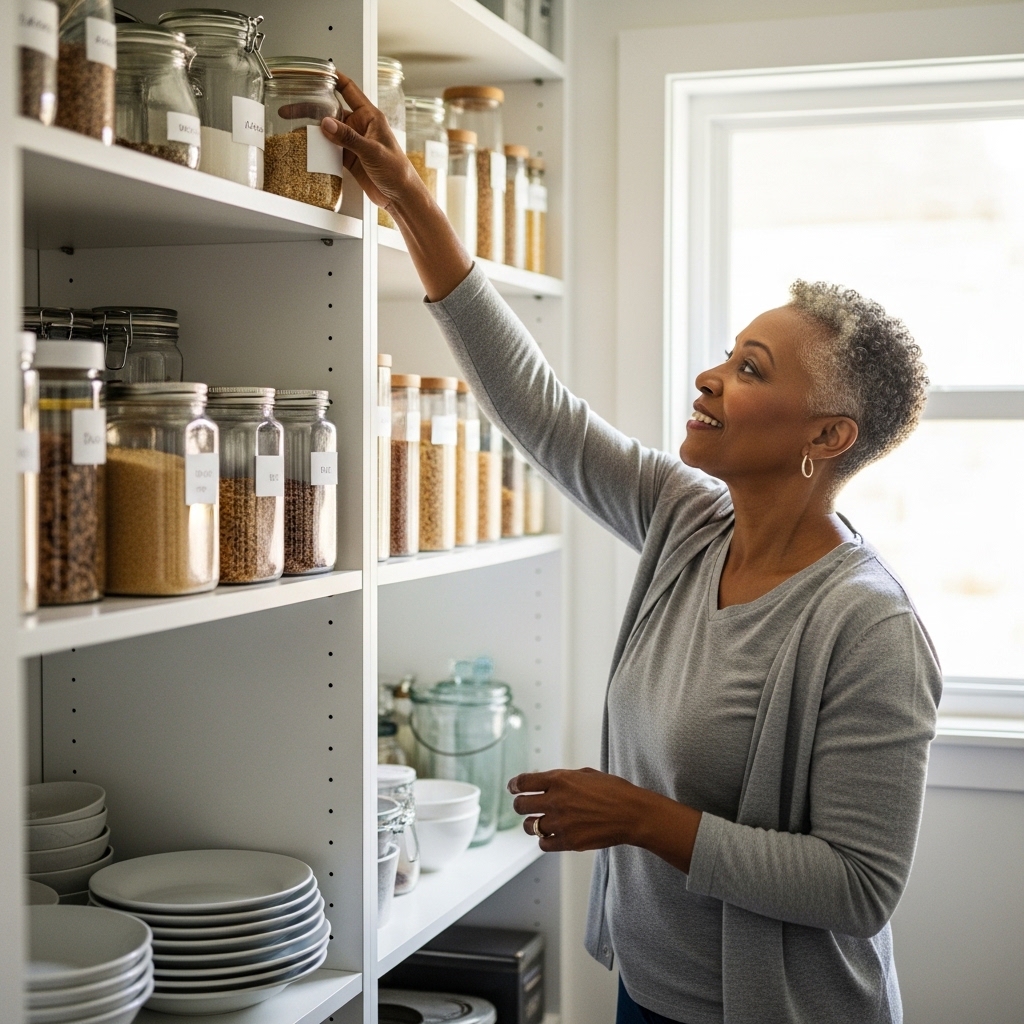
In the evolving landscape of senior care and disability support, the concept of Supported Independent Living (SIL) has emerged as a transformative model. It represents a fundamental shift from traditional care models that often prioritize institutional efficiency over individual autonomy. At SafeCare Home Support Services, we believe that SIL is not just a service—it is a commitment to upholding the dignity, independence, and rights of every individual.
What is Supported Independent Living?
Supported Independent Living is a model of care designed to help individuals live as independently as possible in their own homes or community settings. Unlike traditional residential care, SIL focuses on providing the right amount of support at the right time, ensuring that the individual remains the primary decision-maker in their own life.
The Core Philosophy: Empowerment, Not Replacement
The cornerstone of SIL is the belief that support should empower, not replace. When a caregiver enters a home, their goal is not to take over the client’s life, but to act as a partner. This means:
- Respecting Routines: Maintaining the client’s preferred schedule for meals, waking, and activities.
- Encouraging Participation: Assisting with tasks while encouraging the client to do as much as they are safely able to do.
- Promoting Choice: Ensuring the client has the final say in how their home is managed and how their care is delivered.
Why Supported Independent Living Matters
The benefits of SIL extend far beyond simple convenience. It impacts physical health, mental wellbeing, and social connection in profound ways.
1. Preserving Dignity and Self-Esteem
For many seniors and adults with diverse needs, the loss of independence can be a significant blow to their self-esteem. SIL allows individuals to maintain their roles as homeowners, neighbors, and active community members. By staying in a familiar environment, they retain a sense of identity that is often lost in institutional settings.
2. Enhancing Mental Health and Wellbeing
Research consistently shows that “aging in place” leads to better mental health outcomes. The comfort of one’s own home, surrounded by personal belongings and memories, provides a psychological safety net. SIL reduces the risk of depression and anxiety often associated with the stress of moving to a care facility.
3. Promoting Physical Safety and Health
While SIL emphasizes independence, it also ensures safety. Caregivers provide essential support with mobility, medication reminders, and nutrition. This proactive approach prevents accidents, such as falls, and ensures that chronic conditions are managed effectively, reducing the need for emergency hospital visits.
4. Fostering Social Connection
Institutional care can sometimes lead to social isolation, despite being surrounded by others. SIL encourages clients to remain active in their local communities. Whether it’s a walk in the local park, a visit to a favorite café, or attending a community center event, SIL provides the necessary support to keep these vital social links alive.
The SafeCare Approach to SIL
At SafeCare, our approach to Supported Independent Living is rooted in empathy and cultural sensitivity. We understand that every individual is unique, and their support plan should reflect that.
Person-Centered Care
We don’t believe in one-size-fits-all solutions. Our process begins with a deep dive into the client’s history, preferences, and goals. We ask:
- What does a “good day” look like for you?
- What are the tasks you find most challenging?
- What are the activities that bring you the most joy?
Strength-Based Support
Instead of focusing solely on what a client cannot do, we focus on what they can do. Our caregivers are trained to identify and build upon a client’s existing strengths, fostering a sense of accomplishment and confidence.
Practical Applications of SIL
What does SIL look like in daily life? It varies significantly from person to person, but common elements include:
- Personal Care: Assistance with bathing, dressing, and grooming, delivered with the utmost respect for privacy.
- Home Management: Light housekeeping, laundry, and organization to ensure a safe and pleasant living environment.
- Nutrition: Collaborative meal planning and preparation that respects dietary needs and cultural preferences.
- Community Access: Transportation and companionship for errands, appointments, and social outings.
Conclusion: A Future of Independence
Supported Independent Living is the future of care. It recognizes that every person, regardless of age or ability, has the right to live a life of their own choosing. By providing compassionate, tailored support, we can ensure that our clients don’t just “get by”—they thrive.
At SafeCare Home Support Services, we are proud to be at the forefront of this movement. We invite you to join us in creating a world where dignity and independence are the standard, not the exception.