
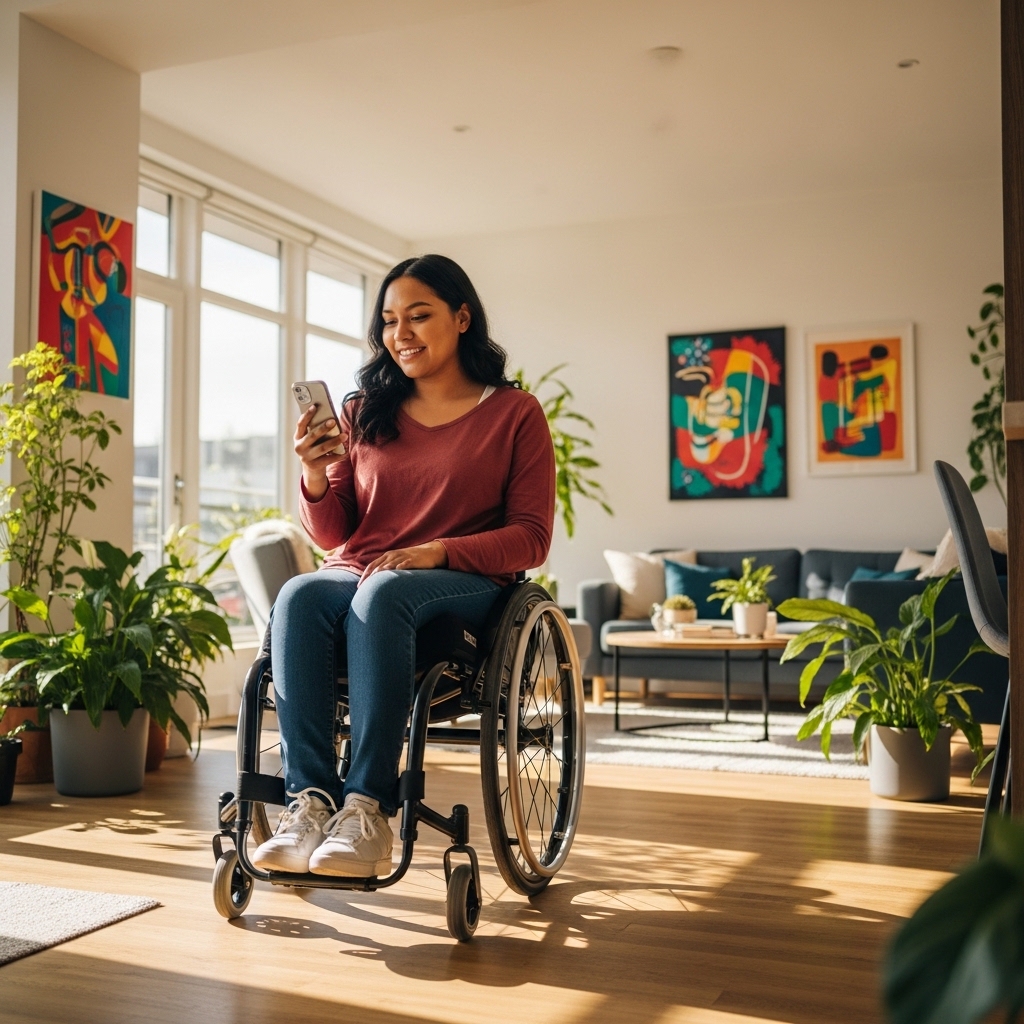
As our loved ones age, the desire to maintain independence remains a top priority. For many seniors, the ability to live in their own home is synonymous with their sense of self and dignity. However, as physical or cognitive challenges arise, families often struggle with how to provide help without overstepping. Fostering independence in seniors is not about leaving them to fend for themselves; it’s about providing the scaffolding that allows them to continue building their own lives.
The Psychology of Independence in Aging
Understanding the psychological impact of aging is crucial. For a senior, independence represents more than just doing things on their own; it represents agency. When seniors feel they have lost control over their daily lives, it can lead to “learned helplessness,” a state where they stop trying to do things even when they are capable.
The “Use It or Lose It” Principle
Physical and cognitive abilities are often like muscles—they need regular exercise. When we do everything for a senior, we inadvertently contribute to their decline. By encouraging them to participate in daily tasks, we help maintain their motor skills, cognitive function, and confidence.
Practical Strategies for Fostering Independence
Fostering independence requires a proactive and thoughtful approach. Here are several key strategies that SafeCare Home Support Services recommends:
1. Modify the Home Environment for Safety
A safe home is the foundation of independence. If a senior is afraid of falling, they will naturally limit their movements.
- Install Grab Bars: In bathrooms and near stairs.
- Improve Lighting: Ensure all areas, especially hallways and entryways, are well-lit.
- Remove Trip Hazards: Get rid of loose rugs and clutter.
- Use Assistive Technology: Consider medical alert systems or smart home devices that can simplify tasks.
2. Encourage “Micro-Tasks”
Instead of taking over a whole process, break it down. If a senior can no longer cook a full meal, can they still peel the vegetables? Can they set the table? These “micro-tasks” keep them involved and provide a sense of contribution.
3. Focus on Strength-Based Communication
The way we talk to seniors matters. Instead of saying, “Let me do that for you,” try asking, “How can I help you with this?” This subtle shift acknowledges their capability and places them in the position of the decision-maker.
4. Promote Physical Activity
Regular movement is essential for maintaining the strength and balance needed for independent living. This doesn’t have to be intense exercise; even short daily walks or seated stretching can make a significant difference.
5. Support Cognitive Engagement
Keep the mind sharp by encouraging hobbies, reading, and social interaction. Cognitive independence is just as important as physical independence.
The Role of Professional Home Support
Sometimes, the best way to foster independence is to bring in professional help. This might seem counterintuitive, but a professional caregiver can provide the specific support that allows a senior to stay at home safely.
How SafeCare Helps
At SafeCare, our caregivers are trained in the Supported Independent Living model. We don’t just “do” for our clients; we work with them.
- Personalized Care Plans: We identify exactly where support is needed and where the client can lead.
- Consistency and Trust: Building a relationship with a regular caregiver provides the emotional security needed to take risks and maintain independence.
- Family Peace of Mind: When families know their loved one is safe, they can focus on enjoying their time together rather than just managing care.
Overcoming Common Challenges
Resistance to Help
It’s common for seniors to resist help, fearing it’s the first step toward a nursing home. To overcome this:
- Start Small: Introduce help gradually, perhaps starting with just transportation or light housekeeping.
- Involve Them in the Choice: Let the senior interview and choose their own caregiver.
- Frame it as “Support for Independence”: Emphasize that the goal is to keep them at home, not take them away.
Cognitive Decline
Fostering independence in seniors with dementia or Alzheimer’s requires extra patience. Focus on maintaining routines and providing clear, simple choices. Even in the later stages of cognitive decline, maintaining a sense of agency is vital for wellbeing.
Conclusion: A Partnership for Autonomy
Fostering independence in seniors is a journey, not a destination. It requires constant adjustment, open communication, and a deep respect for the individual’s history and values. By focusing on empowerment rather than replacement, we can help our seniors live lives that are not just long, but rich with meaning and autonomy.
At SafeCare Home Support Services, we are dedicated to this partnership. We believe that every senior deserves the chance to age with grace, dignity, and independence in the place they call home.